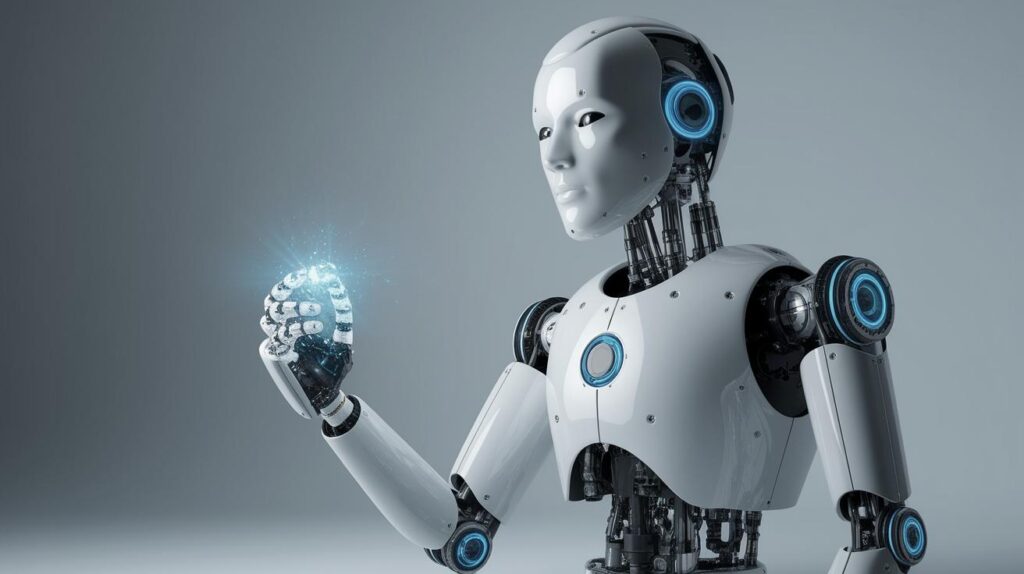
Throughout history, technological innovations have been the keystones for humanity’s advancement. From the disruptive emergence of the printing press to the modern-day marvels of artificial intelligence, each innovation has reshaped societies and shaped our world in profound ways. In this blog post, we delve into some key technological breakthroughs that have not only transformed the facets of daily life but also the course of human development. We’ll explore both historical innovations like the steam engine and light bulb, as well as contemporary technologies such as the Internet and mobile phones. Furthermore, we’ll touch on how these technologies impact younger generations and societal structures, offering insights into both their vast potential and challenges.
The Printing Press
The invention of the printing press in the mid-15th century by Johannes Gutenberg is often hailed as one of the most crucial developments in human history. It revolutionized the way information was disseminated, making books more accessible and affordable. The rapid distribution of knowledge contributed significantly to the Renaissance, Reformation, and the Scientific Revolution.
Before the printing press, books were handwritten and rarities reserved primarily for the elite. Gutenberg’s technology enabled mass production, elevating literacy and education worldwide. This democratization of knowledge laid the groundwork for the Enlightenment and continues to influence modern society in unimaginable ways.
The Steam Engine
The steam engine epitomized the Industrial Revolution, transforming industries and transportation in the 18th and 19th centuries. Developed by pioneers like James Watt, the steam engine provided a new, more efficient power source than ever before, enabling factories to increase production rates and economies to surge.
Beyond industry, steam engines revolutionized transport, paving the way for innovations like the steam locomotive and steamships. This transformation levelled distances, facilitated globalization, and altered how individuals perceived time and space, influencing everything from trade to travel.
The Light Bulb
The light bulb, perfected by Thomas Edison in the late 19th century, fundamentally changed human society by extending productive hours beyond daylight. It became a symbol of innovation during an era filled with groundbreaking technological advancements.
The introduction of electric lighting transformed not only homes and businesses but also spurred further technological innovations and the rise of the electrical industry, impacting everything from urban planning to night-time activities.
The Telephone
Alexander Graham Bell’s invention of the telephone in 1876 revolutionized communication, making real-time long-distance interaction possible. It was the precursor to today’s instantaneous global communication networks.
The telephone bridged great distances and eventually led to the development of various communication technologies, fundamentally reshaping business operations, personal relationships, and international diplomacy.
The Aeroplane
The Wright brothers’ successful flight in 1903 marked the dawn of aviation. Their invention not only made air travel feasible but also changed how we perceive distance and time, making the world more interconnected than ever before.
Air travel has become a significant economic sector and has played crucial roles in global trade, tourism, and cultural exchange, influencing international relations and our understanding of the world.
The Personal Computer
The rise of personal computers in the late 20th century, led by visionaries like Steve Jobs and Bill Gates, transformed how we work, communicate, and entertain ourselves. The computer’s ability to process data quickly revolutionized countless industries.
Personal computers brought computing power into homes and businesses, empowering users to create, learn, and innovate in unprecedented ways. This technological breakthrough spurred the digital revolution, paving the way for the modern information age.
Internet
The advent of the Internet in the late 20th century marked the beginning of a new information era. It connected the world like never before, enabling the rapid exchange of information across the globe and transforming every aspect of life and work.
From e-commerce to online education, the Internet’s impact is profound. It has reshaped industries, created new economies, and revolutionized how people interact, learn, and share knowledge, solidifying its role as a foundation for modern society.
The Mobile Phone
The mobile phone has transformed from a bulky device used for simple voice calls to a compact, multi-functional smartphone that serves as a lifeline to the digital world. Introduced in the 1980s and revolutionized by smartphones, it has become indispensable.
The ubiquitous nature of mobile technology has turned communication into an on-the-go activity, influencing social behavior, business strategies, and even political movements, while providing endless opportunities for innovation in app development and connectivity.
Artificial Intelligence
Artificial Intelligence (AI) is at the forefront of today’s technological frontier, affecting industries with its ability to analyze data, recognize patterns, and make informed decisions. AI has applications in healthcare, automotive, finance, and more.
As AI continues to evolve, it presents both opportunities and challenges. While it can drive efficiency and innovation, it also raises ethical questions about privacy, employment, and the extent of machine autonomy in human activity.
Newsletter
As a mode of information dissemination, newsletters have adapted with technological advances. Digital newsletters harness the power of email and online platforms, reaching global audiences with curated content and real-time updates.
They serve as powerful tools for organizations and individuals seeking to engage audiences, share insights, and build communities, maintaining relevance in today’s fast-paced digital landscape.
Social networks can turn a programme into a global phenomenon overnight
The rise of social networks has demonstrated their transformative power in spreading information and trends rapidly. Platforms like Twitter, Facebook, and Instagram can take a local idea or program and project it onto the global stage almost instantaneously.
This capability to reach a broad audience can drive social movements, marketing campaigns, and cultural exchanges, highlighting the role of social media as a catalyst for global connectivity and change.
Technology in the lives of teenagers: a reflection from a concerned mother
As a concerned mother, witnessing how technology integrates into teenagers’ lives brings both excitement and apprehension. On one hand, technology offers vast educational resources and connectivity. On the other, it poses risks of overexposure and distraction.
Balancing screen time with physical activities, promoting healthy digital habits, and ensuring privacy are among the crucial responsibilities parents face today. Understanding the role of technology is essential to fostering its positive impacts while mitigating potential downsides.
Service capabilities allow us to resolve complex scenarios in a simple, scalable and reusable way
Service capabilities in technology refer to frameworks and platforms that enable businesses to efficiently manage complex operations. By implementing scalable solutions, organizations can tackle intricate challenges with agility and precision.
These capabilities allow for the integration of various services, making processes more reusable and efficient, leading to cost savings and improved user experiences.
Communication
Communication remains at the heart of technological innovation. From the telegraph to the smartphone, each advancement has redefined how information is exchanged and perceived.
Today, digital communication technologies continue to evolve, offering innovative ways to connect, share, and collaborate, bridging cultural and geographical divides.
Word of the week
This week’s word is “Synergy” – the concept of different elements working together to produce a collective result greater than the sum of their parts. In technology, synergy often explains successful integrations and innovations.
Protection of Minors
Ensuring the protection of minors in the digital world involves implementing tools and policies that safeguard their online interactions and data. This includes content filters, parental controls, and educational programs about digital literacy and safety.
As technology becomes an integral part of young people’s lives, educating both children and parents on safe online practices is crucial for protecting their well-being.
Most read in the last week
- AI’s Role in Revolutionizing Healthcare
- Exploring the Latest Advances in Mobile App Development
- The Impact of Social Media on Modern Communication
Final Thoughts
| Innovation | Impact |
|---|---|
| Printing Press | Transformed information dissemination, increased literacy. |
| Steam Engine | Revolutionized industry and transport, facilitated globalization. |
| Light Bulb | Extended productive hours, advanced urban and industrial development. |
| Telephone | Revolutionized communication, laid groundwork for global networks. |
| Airplane | Changed global connectivity, influenced international relations. |
| Personal Computer | Transformed information processing and access to technology. |
| Internet | Redefined information exchange and global communication. |
| Mobile Phone | Revolutionized on-the-go communication and connectivity. |
| Artificial Intelligence | Enabled advanced data analysis, presented ethical questions. |
| Newsletter | Adapted to digital age, expanded audience reach. |
| Social Networks | Amplified global reach and influence of information. |
| Teen Technology Usage | Offers educational resources, requires mindful management. |
| Service Capabilities | Simplified complex processes, improved scalability. |
| Communication | Continued evolution bridging cultural and geographical divides. |
This HTML document structures the blog post, highlighting key technological innovations and their impacts while providing insights into contemporary technology dynamics.