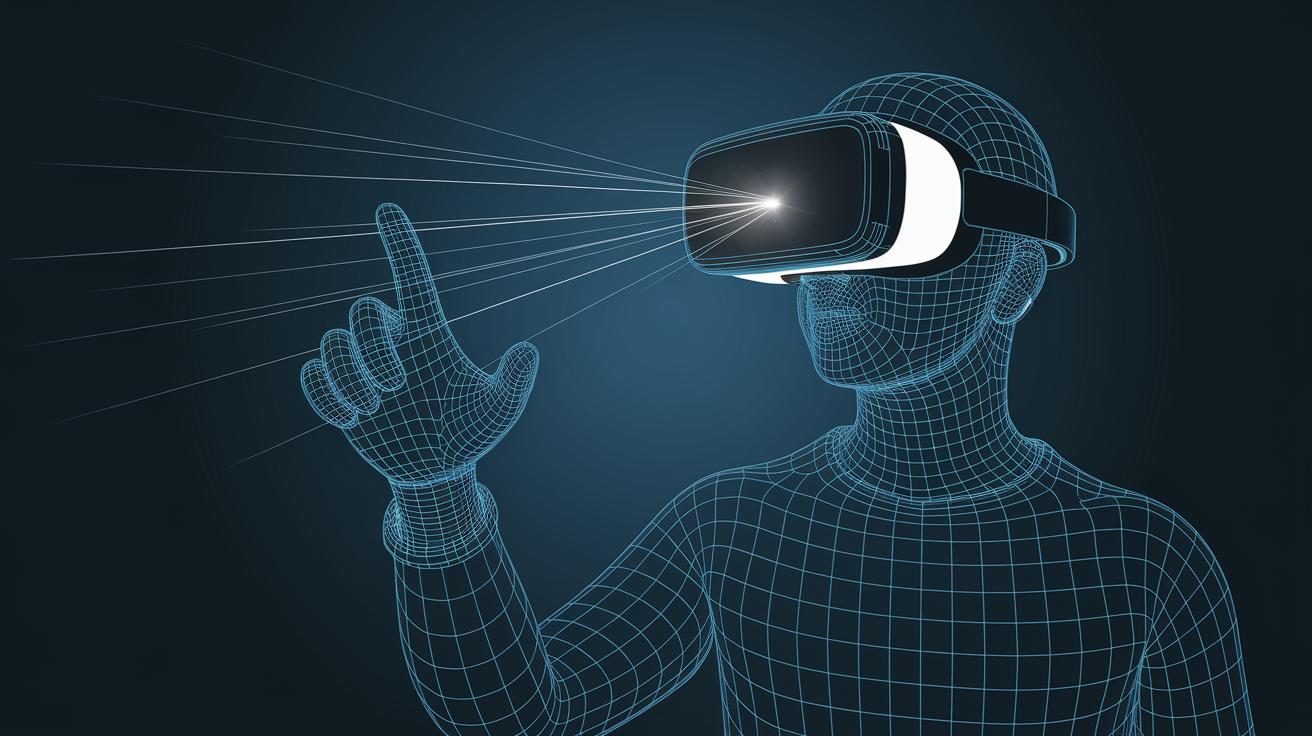
The Augmented Reality and Virtual Reality Market: An In-Depth Exploration
In the rapidly evolving landscape of technology, Augmented Reality (AR) and Virtual Reality (VR) have emerged as groundbreaking innovations. These immersive technologies are reshaping industries, altering the way we interact with digital content, and creating new opportunities across various sectors. This article delves into the definitions and distinctions of AR and VR, explores the burgeoning job market within these fields, and highlights the latest market statistics. Additionally, we invite you to keep up-to-date with our digital design innovations and take steps toward integrating these technologies into your professional journey.
What Is AR?
Augmented Reality (AR) overlays digital information onto the real world. Unlike Virtual Reality, which creates an entirely simulated environment, AR enhances the natural environment with computer-generated images, sounds, and other sensory enhancements. AR is often experienced through devices such as smartphones, tablets, and smart glasses.
The application of AR technology spans various industries including retail, where it is used for customer product visualization, education, where it revolutionizes the learning experience with interactive content, and healthcare, where it assists in complex surgeries with real-time data visualization. AR’s capability to blend the real world with insightful digital content empowers users to interact with their surroundings in unprecedented ways.
Despite being in its relative infancy, the AR market is projected to grow significantly, driven by increasing adoption across consumer and enterprise applications. The development of more sophisticated sensors, wearables, and improved content creation tools are pivotal in propelling AR’s expansion.
What Is VR?
Virtual Reality (VR) immerses the user in a fully artificial digital environment. Users typically employ headsets that provide a 360-degree view of a virtual world, accompanied by motion tracking and, often, handheld controllers to enhance the interactive experience. This immersive quality is central to VR’s appeal, making it a powerful tool for gaming, education, and training scenarios.
In sectors such as gaming, VR offers users unparalleled interactive experiences, allowing them to step into fully formed worlds and engaging quests. In education, VR opens up new avenues for experiential learning, with virtual field trips and immersive historical recreations enabling students to grasp subjects more tangibly. Moreover, VR’s role in professional training, such as in aviation or emergency response, enables safe practice in a controlled and realistic setting.
The VR market is advancing rapidly, with continuous improvements in VR gear reducing costs and enhancing accessibility. As content creators and hardware manufacturers innovate, VR is poised to reach broader audiences, catalyzing its integration into everyday life.
What’s the Difference Between the Two?
While AR and VR share the domain of immersive technologies, they differ fundamentally in their approach and application. AR supplements the real world with digital elements, seamlessly integrating the two environments. In contrast, VR secludes the user from the physical world to deliver a full-scale virtual experience.
These distinctions have practical implications. AR can be used for navigation assistance, with real-time overlays providing directional guidance, whereas VR might offer a discovery-based journey through virtual landscapes. AR often supports a dual experience, enriching everyday routines, while VR is dedicated to an entirely new paradigm of interaction.
Understanding these differences helps businesses and consumers decide which technology aligns with their goals or needs. Whether enhancing customer engagement with AR or harnessing VR for impactful training programs, the choice depends on the desired level of immersion and interaction.
Jobs in the VR and AR Industry
The burgeoning fields of VR and AR are generating a wide array of job opportunities, reflecting the rapid adoption and demand for these technologies. Roles range from software developers, who build interactive and immersive applications, to 3D artists and designers responsible for creating compelling digital environments.
Additionally, project managers are vital in orchestrating AR/VR application development, ensuring projects meet both technical and user-experience expectations. Sales and marketing positions are also increasingly focused on demonstrating the value of AR and VR technologies to potential clients and stakeholders.
With investment in these fields continuing to grow, the AR and VR industries are not only expanding in size but also diversifying in scope, requiring a wide variety of skill sets and expertise, from technical know-how to creative vision.
Market Statistics
According to recent market reports, the global AR and VR market is projected to reach a value of over USD 100 billion by 2030, driven by an increasing demand for immersive experiences. In particular, the adoption of VR headsets is anticipated to grow at a compound annual growth rate (CAGR) of approximately 25% from 2023-2030.
The consumer sector holds a significant share of the market, with entertainment and gaming being the dominant applications. However, enterprise usage in sectors such as healthcare, manufacturing, and education is anticipated to rise, supported by advances in hardware and software technologies.
Explore Our Most Recent Digital Design News & Blog Posts
Stay at the forefront of digital transformations by visiting our blog for the latest insights on technology advancements and market trends. Our articles cover groundbreaking developments in design, implementation, and innovation within the AR and VR landscapes.
From case studies on successful AR and VR deployments to expert interviews and opinion pieces, our ever-evolving content keeps you informed and inspired. Make sure to subscribe to stay updated with our posts, and explore the dynamic world of digital design and immersive technology with us.
Take the Next Step
As AR and VR continue to reshape industries, understanding their potential and harnessing their capabilities becomes imperative for businesses and individuals alike. Whether you’re looking to explore new career paths, invest in technology, or transform the customer experience, AR and VR offer unprecedented opportunities and competitive advantages.
Take the next step by engaging with industry communities, attending conferences, and exploring educational resources that provide deeper insights into AR and VR innovations. With dedication and curiosity, you can partake in the exciting journey of transforming virtual potential into tangible reality.
| Section | Summary |
|---|---|
| What Is AR? | AR overlays digital information onto the real world, enhancing it with computer-generated sensory experiences. |
| What Is VR? | VR immerses users in a fully artificial digital environment, often requiring headsets to provide a 360-degree experience. |
| What’s the Difference Between the Two? | AR integrates digital elements with the real world, whereas VR creates a completely immersive virtual environment. |
| Jobs in the VR and AR Industry | The AR and VR fields offer diverse job opportunities in software development, design, project management, and more. |
| Market Statistics | The AR and VR market is projected to exceed USD 100 billion by 2030, with significant growth in consumer and enterprise applications. |